

The Scarcity Principle: Why “Limited” Sells and How to Use It in Your Marketing Strategy
Getting people to stop scrolling and start caring is harder than ever these days. That’s where marketing psychology comes in, and one of the most powerful psychological influences in marketing is something you’ve likely fallen for yourself: The Scarcity Principle.
You know the drill: “Only 3 left in stock!” or “Offer ends at midnight!” These messages create a sense of urgency that taps into our fear of missing out. But why does this work so well? And how can you use it ethically and effectively in your marketing strategy?
Let’s break it down.
What Is the Scarcity Principle?
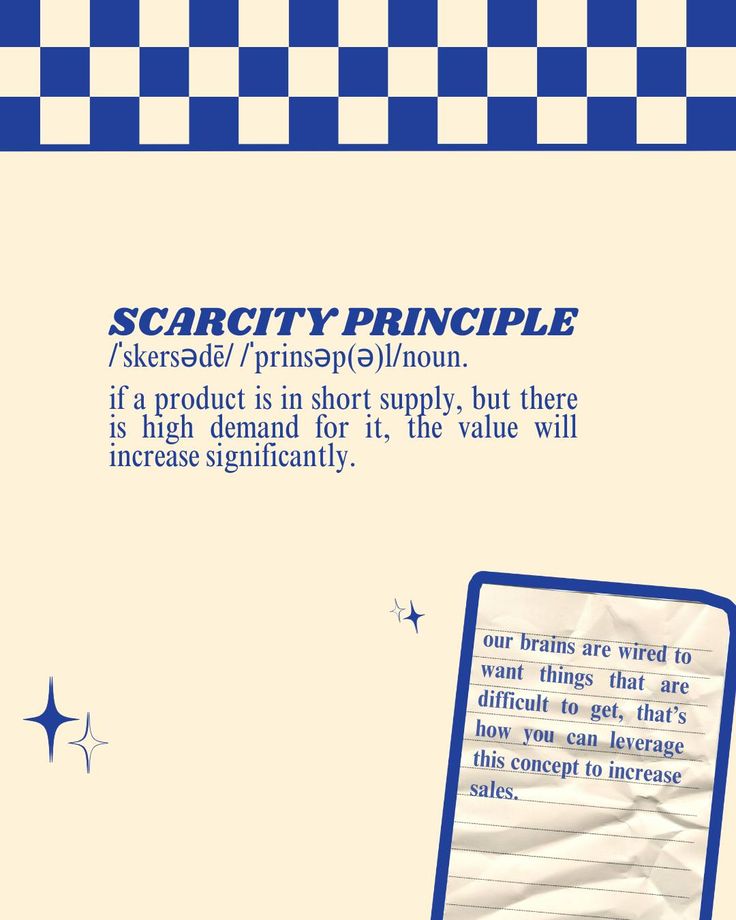
The Scarcity Principle is a concept in psychology and marketing that explains why people place higher value on things that are perceived to be limited or rare. When an item is in short supply, we instinctively think it’s more desirable, even if the product itself hasn’t changed.
This phenomenon is rooted in human behaviour: scarcity implies exclusivity, urgency, and importance. From a marketing psychology perspective, it’s gold.
Why Scarcity Works: The Psychology Behind It
Scarcity triggers a primal reaction. When something becomes less available, it suddenly feels more important. This taps into:
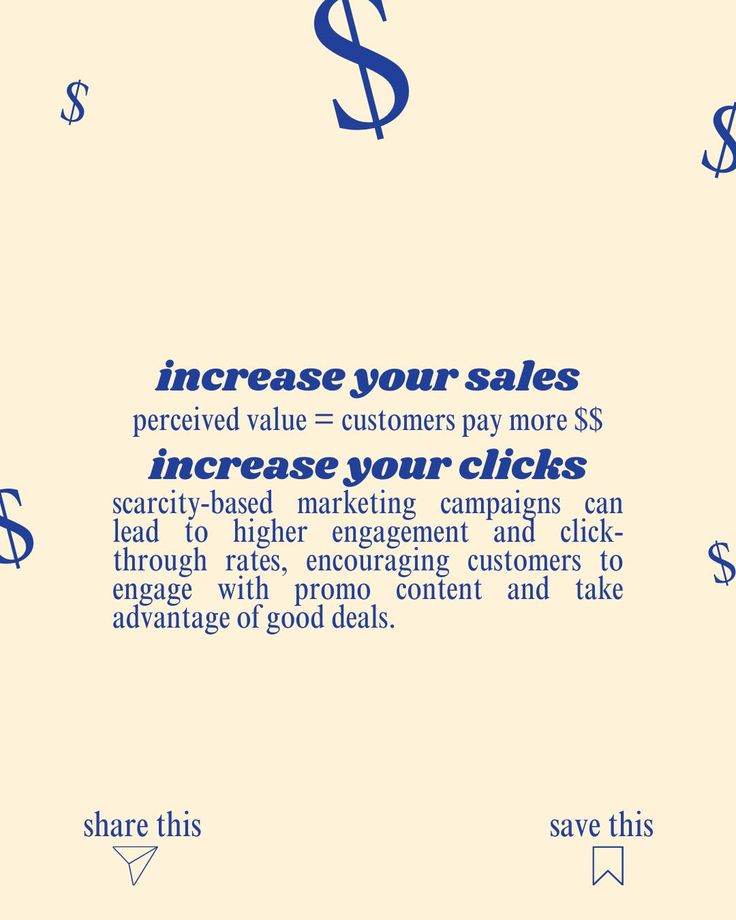
- Fear of missing out (FOMO): No one wants to regret passing up a great opportunity.
- Loss aversion: We’re more motivated to avoid loss than to seek gain.
- Social proof: If it’s almost sold out, everyone else must want it too.
This trio of psychological influences in marketing makes scarcity a strategic powerhouse.
Real-World Examples of Scarcity in Action
Let’s take a look at how brands use scarcity as part of a smart strategic marketing approach:
- Supreme drops limited-edition clothing that often sells out in minutes. The exclusivity becomes part of the brand’s identity.
- Booking.com shows you how many people are viewing a hotel room and how many are left, subtly pushing urgency.
- Starbucks uses seasonal drinks (hello, Pumpkin Spice Latte) to create time-based scarcity, keeping customers coming back year after year.
These aren’t gimmicks; they’re carefully crafted marketing strategies grounded in psychology and marketing principles.
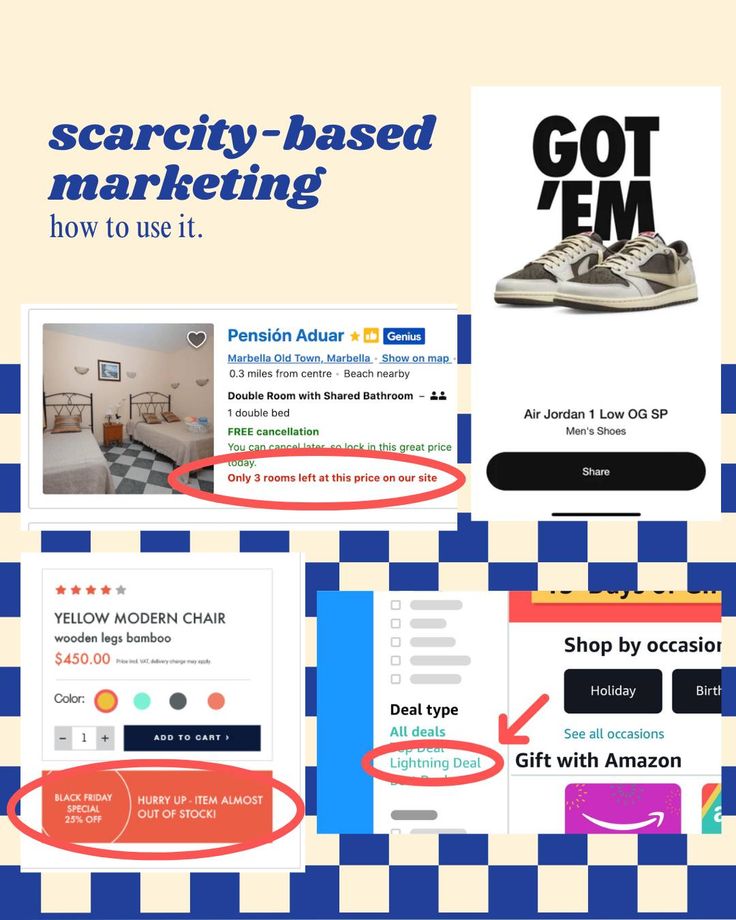
How to Use the Scarcity Principle in Your Marketing Strategy
If you’re ready to put this tactic to work, here are a few ways to integrate scarcity into your next campaign:
1. Limited-Time Offers
Create a deadline for your promotion. Whether it’s 24 hours or one week, make it clear that this deal won’t last. Pro Tip: Use countdown timers in emails or on landing pages to reinforce the sense of urgency.
2. Limited-Quantity Products
Let customers know when supplies are low or stock is limited. Pro Tip: Be transparent, don’t create the illusion of scarcity. It damages trust in the long run.
3. Exclusive Access
Offer early access to VIPs or email subscribers. People love feeling like they’re part of a “first look.” Pro Tip: Use language like “Join the waitlist” or “Be the first to know.”
4. Seasonal or One-Time-Only Launches
Release special editions or seasonal campaigns to drive timely engagement. Pro Tip: Build excitement before launch day to maximize momentum.
A Word of Caution
While scarcity is a powerful psychological marketing tool, it should always be used ethically. Faking urgency or misleading customers might get short-term clicks, but it destroys long-term trust.
The best brands use scarcity to enhance real value, not just create hype.
Use the Scarcity Principle to Your Advantage
The Scarcity Principle is more than a clever trick, it’s a proven element of marketing psychology that plays on deep human instincts. By integrating it into your strategic marketing plan with care and authenticity, you can create urgency, increase conversions, and deepen customer engagement.
Remember: when something feels rare, it feels worth chasing. Use that insight to build campaigns that speak to your audience’s emotions, and deliver value they won’t want to miss.


